When Is Summer in the Amazon? Understanding the Hottest Season
From June to November, the Amazon goes through its dry period and highest temperatures, with less rain, lower humidity and freshwater river beaches

The Amazonian summer runs from June to November, when the Intertropical Convergence Zone shifts toward the northern hemisphere and rainfall drops across Brazil's Northern Region. During this period, air humidity falls, the rivers lose depth progressively and temperatures climb past 30°C, reaching over 36°C on days of extreme heat, according to data from the National Institute of Meteorology recorded in Tefé.
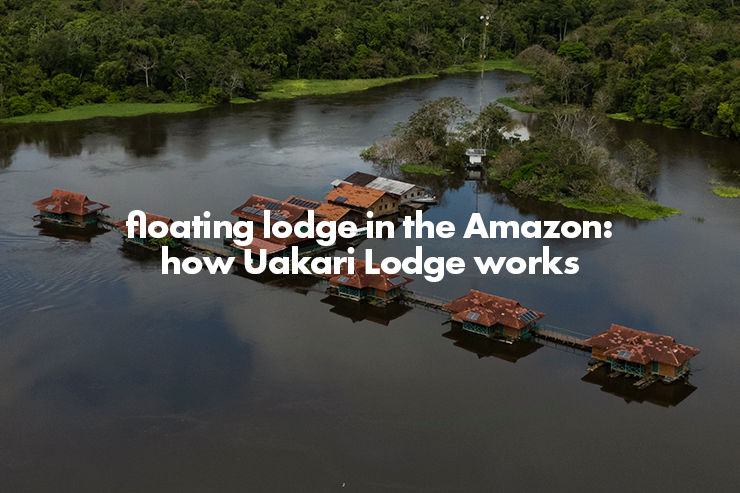
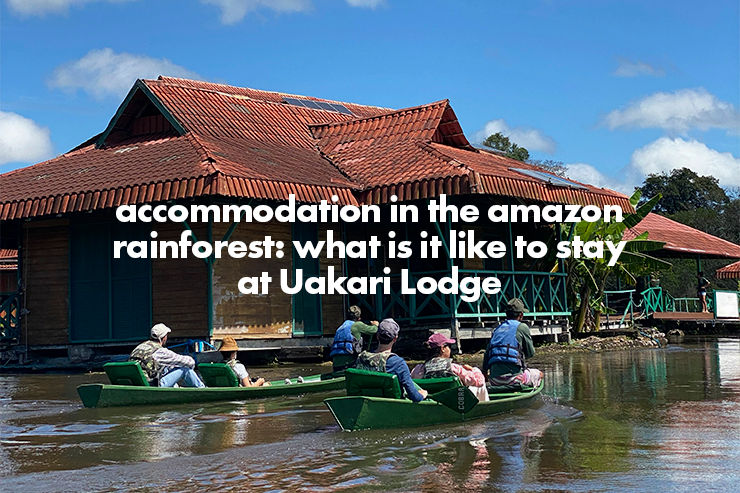
This period affects the Mamirauá Sustainable Development Reserve directly, in the interior of Amazonas, where the drop in the level of the Solimões and Japurá rivers completely reshapes the landscape surrounding Uakari Lodge, a floating lodge that operates inside the reserve year-round. It is precisely during the Amazonian summer that land trails normally flooded during high water become accessible, sandy beaches emerge along the riverbanks and wildlife concentrates near the remaining bodies of water, which makes this time of year one of the most sought-after by guests staying at Uakari Lodge to explore parts of the reserve on foot.
When is summer in the Amazon?

Unlike the rest of the southern hemisphere, where summer coincides with the heat of December to March, the Amazon follows its own calendar, defined not by the sun's position but by rainfall volume. So while Brazil is in the middle of winter, the Northern Region is going through its hottest and driest season, a phenomenon experts attribute to the shift of the Intertropical Convergence Zone, the belt of clouds responsible for concentrating most of the precipitation over the forest.
It's worth noting that this naming is more a popular convention than a formal meteorological classification, since the Amazon has little thermal variation over the year and doesn't follow the four seasons of the traditional calendar, as explained by experts in the Portal Amazônia report.
What the climate is like in the Amazon during the Amazonian summer

The drop in rainfall visibly alters the landscape and the routine of those who live in the region. The rivers enter their falling and dry phases, losing depth progressively, while relative air humidity plummets and heat builds up during the day without the same dispersal that rain usually provides.
This warming has grown more intense over the last two decades, and a survey by INPA identified nine severe drought or flood events between 2000 and 2020 alone, a number equivalent to everything recorded in the entire previous century, which reinforces that the Amazonian summer, though a recurring event, has become more extreme in years of climate anomaly.
Freshwater beaches, a symbol of the Amazon's hottest season

One of the most photographed effects of the Amazonian summer is the appearance of white sand beaches along the riverbanks, a direct result of the falling water that exposes sandbanks normally submerged during high water. In the Mamirauá Reserve, these beaches appear along the Solimões and Japurá rivers and become stopping points for swimming, bird watching and walks, one of the reasons this season tends to attract those seeking closer contact with the Amazonian landscape without the constant presence of rain.
Uakari Lodge: part of the Central Amazon Conservation Complex

The Mamirauá Reserve was the first Sustainable Development Reserve created in Brazil and is part of the Central Amazon Conservation Complex, recognized by UNESCO as a Natural World Heritage Site. Uakari Lodge operates in partnership with the Mamirauá Institute and local riverside communities, which means part of the revenue generated by guest stays goes back into scientific research and the conservation programs carried out within the reserve. This shared management structure is what sustains tourism during the Amazonian summer without compromising the areas that the dry season temporarily leaves more exposed and vulnerable.
What to do at Uakari Lodge during the dry season

Visitors to the reserve during this period tend to come across howler monkeys and uakari monkeys on trails that become impassable during the flood season, along with an easier time spotting caimans during night outings, since the drop in water volume concentrates wildlife in more predictable areas. The beaches that emerge along the Solimões and Japurá also open the way for walks and river bird watching, making the Amazonian summer a season particularly suited to those who prioritize walking and land wildlife visibility over the canoe trips that dominate the high-water season.
When to visit the Amazon: high water or dry season?

The answer depends on the kind of experience you're after. Those who want to explore flooded areas by canoe, get close to river dolphins and observe the partly submerged forest should prioritize the high-water months, between December and May. Those who prefer land trails, river beaches and higher temperatures should consider the Amazonian summer, between June and November. The complete guide on when to visit the Amazon and the article on the Amazon's water cycle, both available here on the Uakari Lodge blog, break this difference down phase by phase, including what changes in the landscape and wildlife at each point in the year.
Stay up to date on news about the Amazonian climate and follow our profile on Instagram. We hope to see you there!
To learn about the guest experiences at Uakari Lodge and plan your stay at the Mamirauá Reserve, visit our website.